.avif)
.avif)
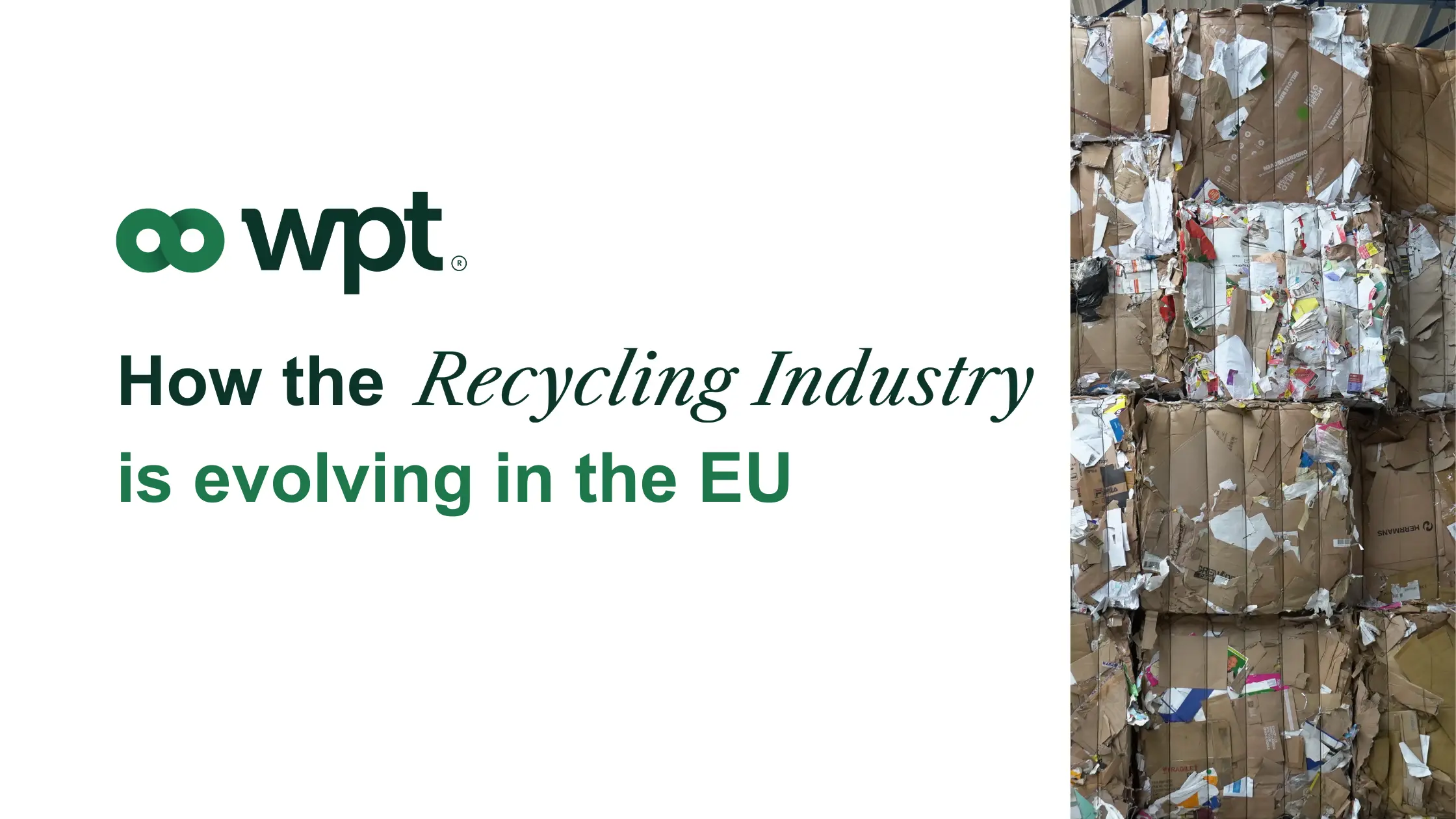
A small recap on how the EU is evolving its recycling sector as we begin to say hello to the next year.
The recycling industry in the European Union is evolving rapidly as sustainability becomes a central policy and economic priority. Driven by ambitious climate targets, stricter regulations, and innovation, the EU is reshaping how waste is managed across its member states.
A major driver of change is EU policy. Initiatives such as the Circular Economy Action Plan and stricter recycling targets are pushing countries to reduce landfill use and improve material recovery. Extended Producer Responsibility rules now require manufacturers to take greater accountability for the full life cycle of their products, encouraging better design and recyclability.
Technology is also playing a growing role. Advanced sorting systems, artificial intelligence, and automation are helping recycling facilities improve efficiency and reduce contamination. These innovations allow more high-quality materials to re-enter the market, strengthening Europe’s internal supply of recycled resources.
The EU is also accelerating the shift toward a circular economy. Businesses are increasingly using recycled materials in production, reducing dependence on raw material imports and lowering environmental impact. This transition supports both sustainability goals and economic resilience.
As regulations tighten and innovation continues, the EU recycling industry is becoming a key pillar of Europe’s green transition, supporting a more sustainable future.

Contact one of our experts to see how we can help get you started!

.webp)
.avif)

Have recycling targets become too ambitious? Or is it our lack of infrastructure? Let's find out.

We work closely with various partners in industry, trade and local governments. Focusing on the purchase and sale of secondary raw materials.


.webp)
.png)

.avif)





.png)